Pack Light, Spend Less: Weekend Adventures Without a Car

Affordable Essentials That Earn Their Place
Backpack Weight Sweet Spot
Find the sweet spot where your pack remains comfortable on city sidewalks, station platforms, and forest climbs. We break down realistic base-weight targets for beginners, why 30–40 liters is plenty, and how a supportive hip belt plus simple organization beat heavy frames and complicated pockets for short, car-free trips.
Sleep System on a Shoestring
Match warmth to forecast without overspending. Consider a budget down quilt or synthetic bag, foam pad trimmed to torso length, and a lightweight bivy or simple tarp. We share temperatures, packing methods, and where inexpensive gear truly shines so you rest well and greet early trains energized.


Leave the Car, Keep the Freedom
Ultralight Tricks That Cost Almost Nothing
Sample Packing Lists for Different Weekends
City-to-Trail Overnighter by Train
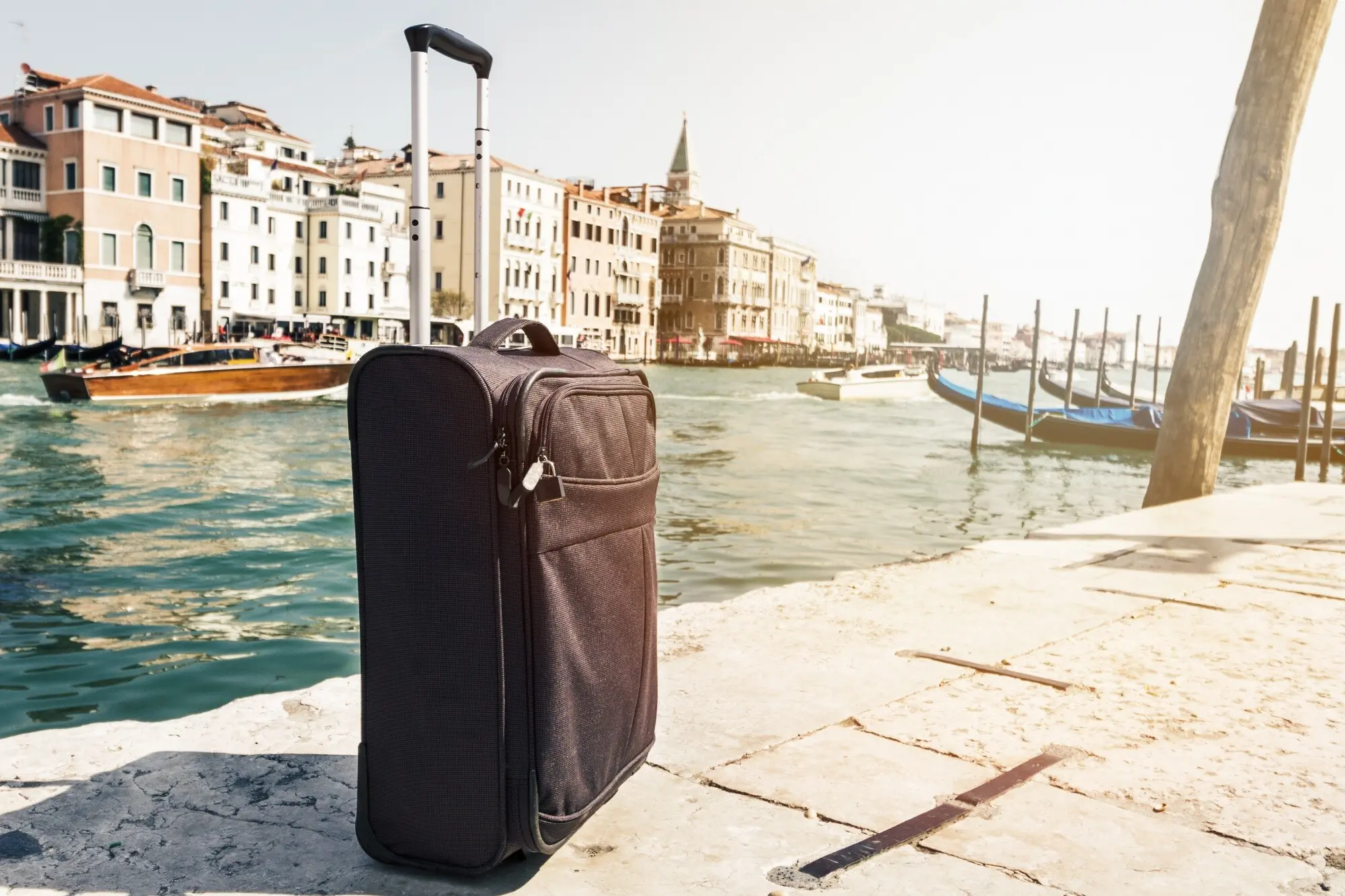
Prioritize speed and discretion: compact backpack, breathable layers, tarp and quilt, no-cook food, headlamp, small power bank, and a bright luggage tag for easy spotting. Pack a pocketable trash bag and station-safe mug, then roll a bandana into a soft pillowcase at camp.
Bike-and-Bus Beach Microadventure
Distribute weight across handlebar roll and seat bag, keeping bus aisles clear. Bring sandals light enough for pedaling stops, a rash guard that doubles as sun layer, and a compact towel. A salt-resistant zip pouch guards electronics while snacks ride in jersey pockets for quick transfers.
Food, Water, and Fuel Without Bulk
No-Cook Menu Under Ten Dollars
Build a calorie-dense day from inexpensive staples: tortillas, tuna packets, instant hummus, olives, trail mix, and a chocolate bar for morale. Add powdered electrolytes to station water, rotate flavors, and pack a single spork. Cleanup is effortless, and hunger never delays a departing bus.
Water Strategy Near Transit-Accessible Routes
Use fountain maps, park restrooms, and café refills to carry less between sources. Treat uncertain taps with tablets and a tiny squeeze filter. Mark stops where bottles top up naturally, and time big drinks with departures so you skip hauling heavy liters up early climbs.
The Zip Bag That Saved a Stormy Night
When a Missed Connection Became an Opportunity
All Rights Reserved.